Lost Worlds and Giant Statues Unearthed
Lost Worlds and Giant Statues Unearthed
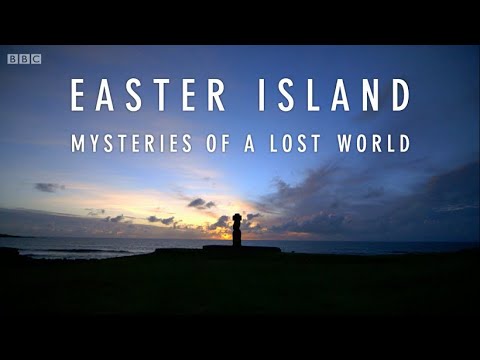
Imagine a remote sliver of volcanic rock in the vast South Pacific, where ancient hands carved monstrous figures from hardened ash and dragged them across the island with a precision that still baffles modern engineers. This is the enigma of Rapa Nui, better known as Easter Island—a place where the line between history and legend blurs like a forgotten coastline. The monumental moai statues, with their oversized heads and stoic expressions, stand as silent witnesses to a civilization that pushed its resources to the breaking point. For anyone looking to explore this mystery from a modern perspective, the digital realm offers a surprising parallel: a chance to engage with these wonders through interactive gameplay. You can even begin that journey today by claiming the easter island no deposit bonus to test your own strategy without an upfront commitment.
The first written records of the island, penned by Dutch explorer Jacob Roggeveen on Easter Sunday in 1722, describe a landscape that was already stripped of trees. Yet the sheer ambition of the moai carvings—some weighing over 80 tons and standing 30 feet high—suggests a society that once thrived with complex social structures and spiritual fervor. What drove these people to empty their forests for sledges and ramps? Why did they topple so many of their own sacred idols during times of conflict? These are the riddles that make the island a fertile ground for anyone interested in the rise and fall of human ambition.
Techniques That Defy Time
For decades, archaeologists have argued over how the moai were moved. One prominent theory involves a walking motion—teams of workers using ropes to rock the statues forward, like moving a refrigerator on a dance floor. Experimental recreations have shown that a coordinated group of 50 to 70 people could indeed “walk” a smaller moai several miles in a single day. The island’s volcanic tuff, soft when quarried and hard when exposed to air, allowed for surprisingly detailed carving. Deep-set eye sockets, long earlobes, and distinct facial features were chiseled using simple basalt picks. It is believed that once the statues reached their stone platforms, or ahu, white coral and red scoria were inserted for the eyes, literally bringing them to life as vessels for ancestral spirits.
Yet the environmental cost was staggering. To move the statues, the islanders needed massive amounts of tree bark for ropes and timber for sledges. The once lush palm forests vanished, leading to soil erosion, crop failures, and societal collapse. This lesson in unsustainable resource use resonates powerfully today, making Easter Island a cautionary tale as much as an archaeological wonder.
A Comparative Look at the Statues
Not all moai are identical. Variations in size, design, and placement reveal a great deal about the island’s shifting priorities over its 400-year building period. The following table highlights key differences between early and late-era statues:
| Feature | Early Moai (circa 1200–1400 CE) | Late Moai (circa 1500–1600 CE) |
|---|---|---|
| Average Height | 10 to 12 feet | 30 to 40 feet |
| Head-to-Body Ratio | More proportionate head | Enormously elongated head |
| Base Platform | Terraced earth mounds | Elaborate stone ahu |
| Pukao | Rarely present | Red scoria topknots common |
These differences reflect a culture that grew more obsessed with monumental display over time, eventually pouring all its energy into competition between clans. The largest moai ever attempted, named “El Gigante,” remains unfinished in the quarry at Rano Raraku—a 70-foot colossus that was literally too big to move.
Key Takeaways from the Easter Island Collapse
Learning from the past is essential, and the story of Rapa Nui offers several stark reminders:
- Resource depletion can unravel even the most sophisticated societies when innovation outpaces conservation.
- Social fragmentation often follows environmental stress, as island clan warfare and statue toppling demonstrated.
- Cultural resilience persists: despite the collapse, the descendants of the original builders still live on the island and maintain traditions like the Birdman cult ceremony.
FAQ: Common Questions About Easter Island
What is the best way to see the moai today? The Rapa Nui National Park covers most of the archaeological sites, and a guided tour is recommended to understand the historical context. The Ahu Tongariki platform features 15 restored statues and is a popular sunrise viewing spot.
Were the moai really just heads? No. Excavations have shown that many statues have full bodies buried underground, often reaching down to the chest or waist. The impression of “just heads” comes from centuries of erosion that buried the lower halves.
Why did the islanders stop carving moai? A combination of deforestation, European contact introducing disease, and internal conflict led to the abandonment of quarry work. The last moai were never erected.
Is there any truth to the “Rapa Nui ecocide” theory? This theory suggests the islanders caused their own downfall through deforestation and resource mismanagement. While widely taught, some researchers now argue that European contact and introduced rats played a larger role in the collapse.
Did the moai have any supernatural purpose? Yes, they were believed to house the mana (spiritual power) of deceased chiefs and ancestors. The statues faced inward toward the villages, watching over the living.
How many moai are left standing? Approximately 887 moai have been documented, though only about 250 of them were ever transported and set up on platforms. Many remain in the quarry or along ancient roads.
The Enduring Mystery
From the first European sighting to the latest 3D scanning projects, Easter Island continues to surprise. It reminds us that human ingenuity can carve wonders out of barren rock, but also that the environment has limits. The giant statues stand not just as achievements of engineering, but as silent guardians of a difficult truth: every civilization that ignores its ecological footprint may one day be unearthed only as a lesson for others. Whether you’re studying the island from a textbook or engaging with its spirit through modern gameplay, the moai have stories yet to tell.


